Licensing Standards Shaping Bonus Eligibility Across Verified International Poker Networks
Blake Sullivan · Aug 24, 2026
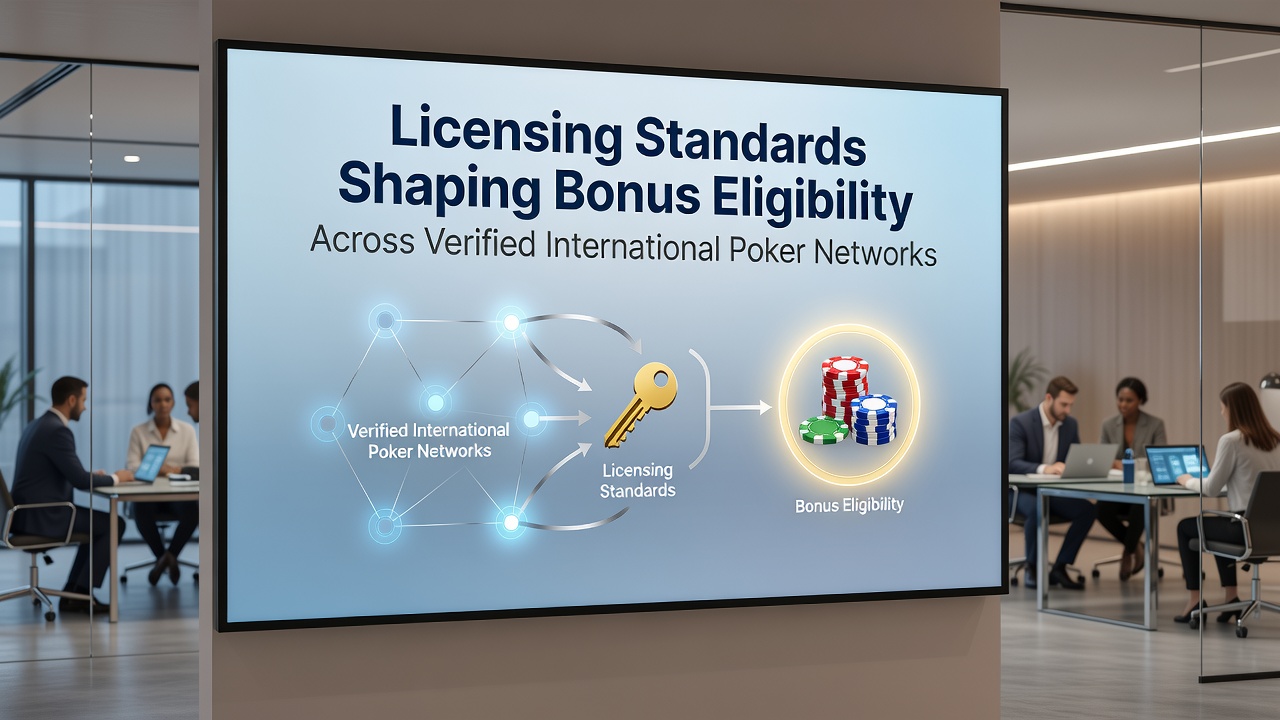
Licensing Standards Shaping Bonus Eligibility Across Verified International Poker Networks
International poker networks operate under multiple licensing frameworks that directly determine which players qualify for bonuses and what conditions apply to those offers, and regulators in various jurisdictions set these rules to maintain compliance across borders. Data from industry reports indicate that as of August 2026 networks must align bonus structures with licensing requirements that cover player verification, geographic restrictions, and wagering thresholds before any promotional funds become available.
Core Licensing Bodies and Their Influence
Authorities such as the Malta Gaming Authority and the Kahnawake Gaming Commission establish baseline criteria that poker operators follow when designing bonus programs, and these standards require networks to verify player identities before releasing any welcome offers or reload bonuses. Observers note that operators licensed under these bodies must incorporate specific terms like minimum deposit amounts and game contribution percentages into their promotions to avoid penalties, while networks holding multiple licenses often adjust eligibility rules by region to satisfy each regulator simultaneously.
Research from the European Gaming and Betting Association shows that licensing conditions frequently mandate responsible gaming checks as a prerequisite for bonus claims, and this process includes age confirmation plus self-exclusion list reviews before any player gains access to promotional rewards. Operators therefore embed these checks into account creation flows, which means bonus eligibility hinges on successful completion of all required steps rather than on deposit activity alone.
Verification Requirements and Bonus Access
Players seeking bonuses on verified international networks encounter layered verification protocols tied directly to licensing standards, and these protocols typically involve submission of government-issued identification documents along with proof of address. Networks enforce these steps because regulators require documented evidence that bonuses reach only eligible participants who meet residency and age thresholds, and failure to complete verification blocks bonus activation regardless of deposit size.
Additional layers appear when operators hold licenses from multiple jurisdictions, since each license adds its own set of compliance checks that affect bonus release timing. Data indicates that networks often sequence verifications so that initial account approval unlocks basic play while full bonus eligibility waits until every licensing body receives confirmation of player details.

Regional Variations in Eligibility Rules
Licensing standards differ markedly across regions and these differences translate into varied bonus eligibility criteria for players depending on their location. Operators licensed by the Isle of Man Gambling Supervision Commission apply stricter wagering requirements to bonuses than those licensed solely under certain Caribbean frameworks, and networks therefore display region-specific terms that reflect the strictest applicable license. Players in one country may face higher playthrough multiples or game-type restrictions because their local licensing rules impose those conditions, whereas participants elsewhere encounter lighter requirements tied to less stringent oversight.
Figures from regulatory filings reveal that networks expand or restrict bonus availability based on license scope, and this practice ensures compliance while allowing operators to serve international audiences under unified platforms. Observers note that as networks add new licenses they update bonus terms accordingly, which can expand eligibility for previously restricted player groups or introduce new conditions for others.
Impact on Network Operations and Player Experience
Verified international poker networks integrate licensing standards into their bonus management systems so that automated checks prevent ineligible claims before they occur, and this integration reduces administrative overhead while satisfying multiple regulators at once. Operators track player data against each license's requirements and apply filters that block bonus offers when any condition remains unmet, which means players receive clear notifications about missing verification steps rather than discovering restrictions after deposits.
Studies conducted by academic research groups have examined how these automated systems affect player retention, and the findings show that transparent eligibility displays tied to licensing criteria improve compliance rates across networks. Networks that clearly communicate licensing-driven restrictions experience fewer disputed bonus claims because players understand the rules upfront rather than encountering them mid-promotion.
Developments Observed Through August 2026
Updates to licensing standards through August 2026 have prompted several networks to revise bonus eligibility criteria, particularly around cryptocurrency deposits and cross-border player pools. Regulators in multiple jurisdictions introduced additional documentation requirements for digital currency transactions, and operators responded by adjusting bonus terms to require extra verification layers before releasing funds earned through crypto deposits. These changes maintain alignment with licensing conditions while preserving access for verified participants who complete the new steps.
Industry reports further indicate that collaborative efforts among licensing bodies have led to shared databases for player verification, and this development streamlines eligibility checks across networks holding licenses from different authorities. Players benefit from reduced duplication of document submissions, yet networks must still ensure each license's specific standards receive satisfaction before any bonus becomes active.
Conclusion
Licensing standards continue to define bonus eligibility on verified international poker networks by setting verification, geographic, and wagering parameters that operators must enforce uniformly. Networks maintain compliance through integrated systems that apply these rules automatically, while players navigate eligibility based on the licenses active in their regions. Ongoing regulatory updates through August 2026 demonstrate how these frameworks evolve to address new payment methods and verification technologies, ensuring that bonus programs remain aligned with the requirements of each participating licensing authority.